NCCU Center for Business Sustainability Visits SYSTEX to Explore AI Innovation and Sustainable Transformation
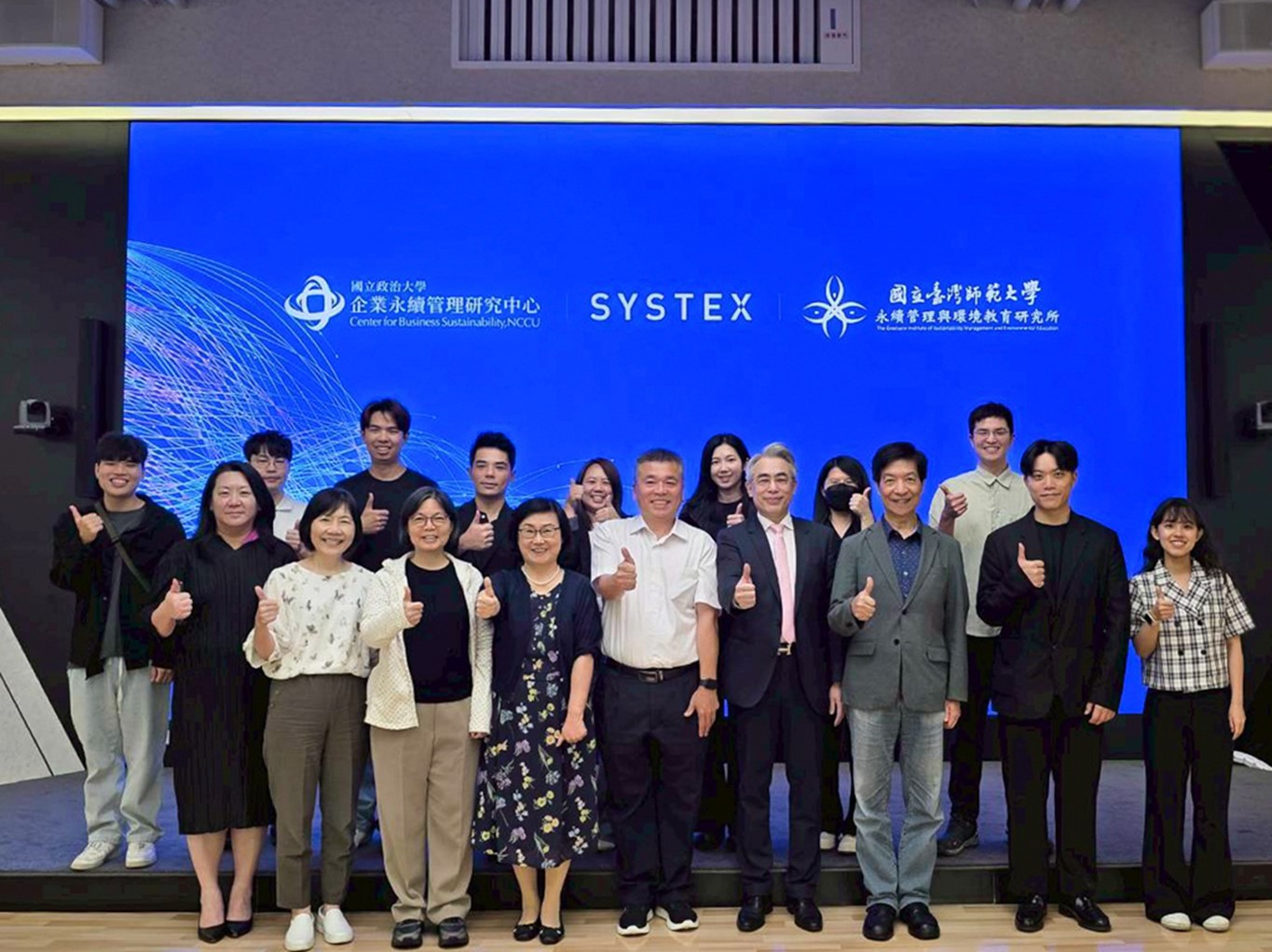
As digital transformation and sustainability become increasingly intertwined, artificial intelligence (AI) is rapidly expanding beyond digital applications into real-world industries, reshaping business operations and information governance. On June 17, the research team from the Center for Business Sustainability (CBS) at National Chengchi University (NCCU) visited SYSTEX Corporation to learn about the company's latest AI innovations and sustainability initiatives. During the visit, Mr. Wen-Shun Wu, Senior Vice President of SYSTEX, delivered a keynote speech titled "AI Development and Trends in 2026," offering insights into the evolution of Generative AI, AI Agents, and IT Operations Management (ITOM), and highlighting the emerging opportunities and challenges facing enterprises in the AI era.
Mr. Wu began by outlining the rapid advancement of Generative AI. As large language models (LLMs) continue to mature, he explained, enterprises are moving beyond chatbot applications toward building proprietary knowledge bases and enterprise AI platforms. Technologies such as Prompt Engineering, Text Chunking, and Retrieval-Augmented Generation (RAG) enable organizations to improve knowledge retrieval, reduce AI hallucinations, and generate more accurate, context-aware responses tailored to business needs.
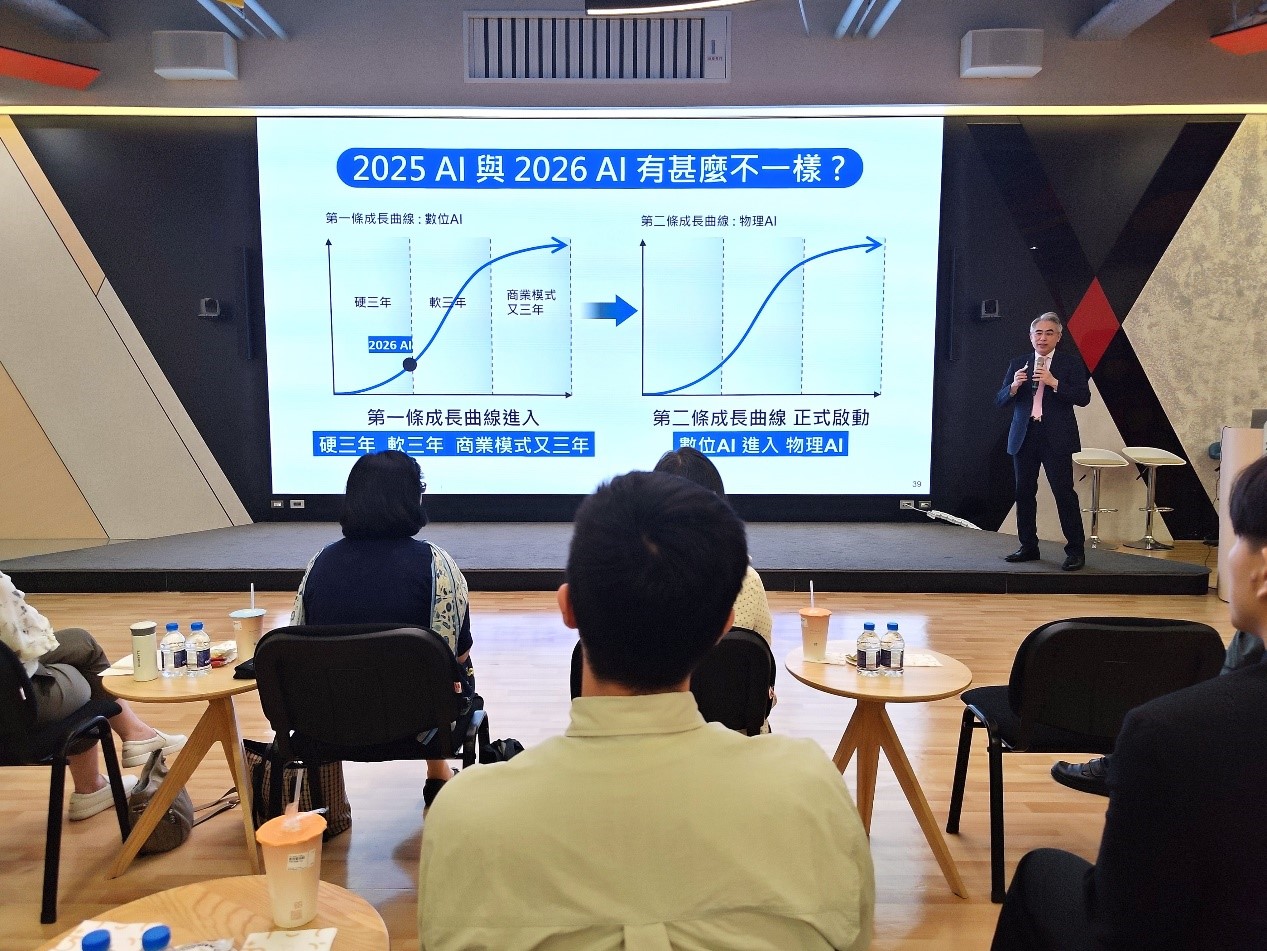
Looking ahead, Mr. Wu predicted that 2026 will mark a major turning point with the rise of "Physical AI." AI will increasingly move beyond virtual environments into smart manufacturing, autonomous systems, robotics, and intelligent services, accelerating industrial transformation across global value chains.
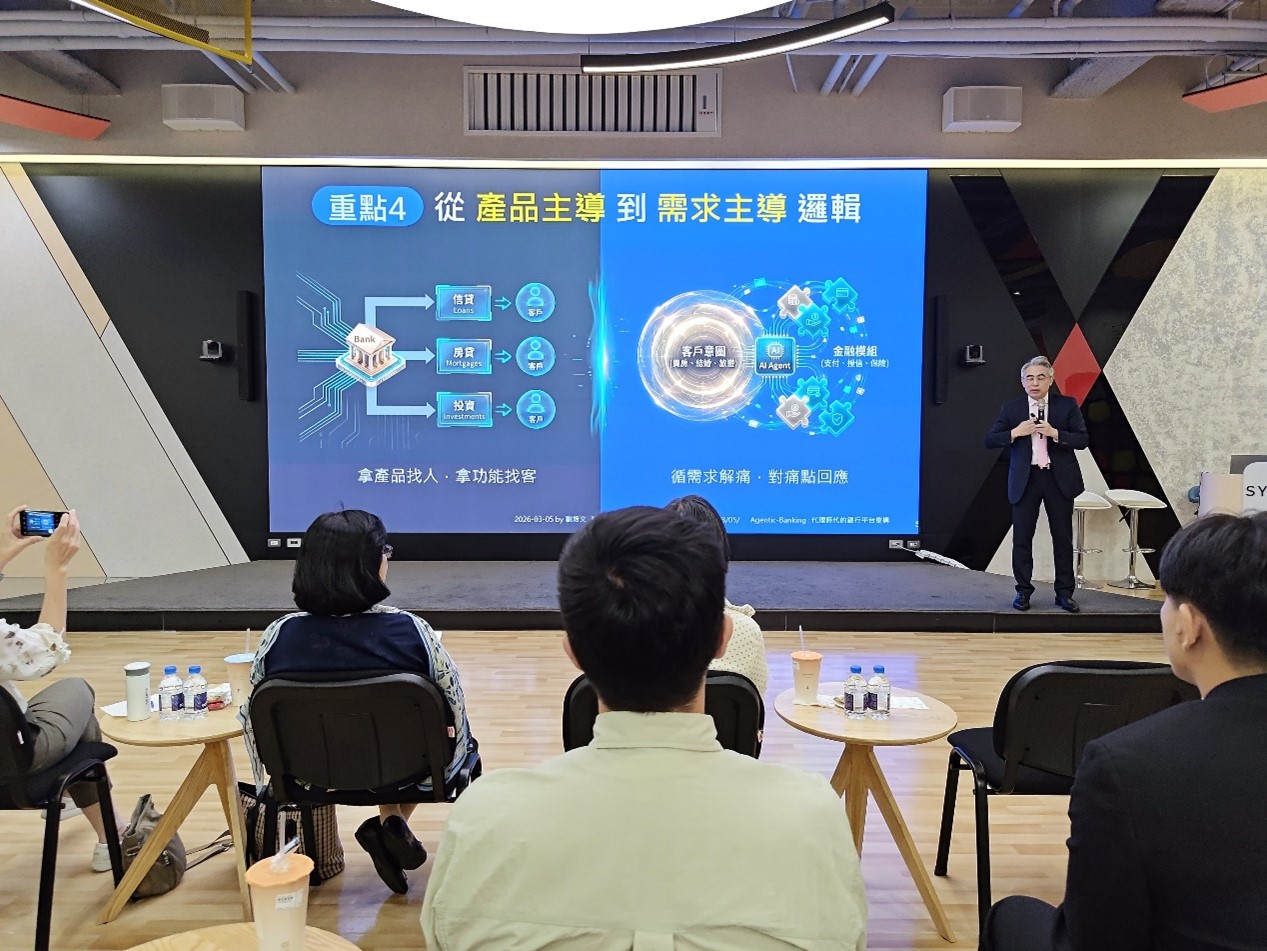
He also discussed the evolution of human-AI interaction. Traditional enterprise systems have long relied on Graphical User Interfaces (GUI), but future applications are expected to shift toward Language User Interfaces (LUI), where natural language becomes the primary interface. Under this paradigm, enterprise systems will be designed not only for human users but also for AI agents capable of autonomously invoking tools through Tool Calling to complete complex tasks. This transition is expected to redefine business models by shifting from product-centric design to demand-driven services, ultimately improving operational efficiency and decision quality.
As an example, Mr. Wu introduced Ryt Bank, Malaysia's first AI-powered digital bank. Rather than organizing its services around conventional financial products, Ryt Bank leverages AI to understand customers' needs and proactively integrates lending, wealth management, and other financial services into personalized solutions. The case illustrates how AI is transforming customer engagement by enabling service models centered on user needs instead of product offerings.
Mr. Wu further highlighted the rapid development of AI Agents, describing them as one of the most significant advances in enterprise AI. Unlike traditional AI assistants that primarily answer questions, AI Agents can independently plan workflows, manage both short- and long-term memory, integrate multiple AI models with external APIs, and proactively execute complex cross-system tasks. These capabilities position AI Agents to become a key driver of intelligent enterprise operations.
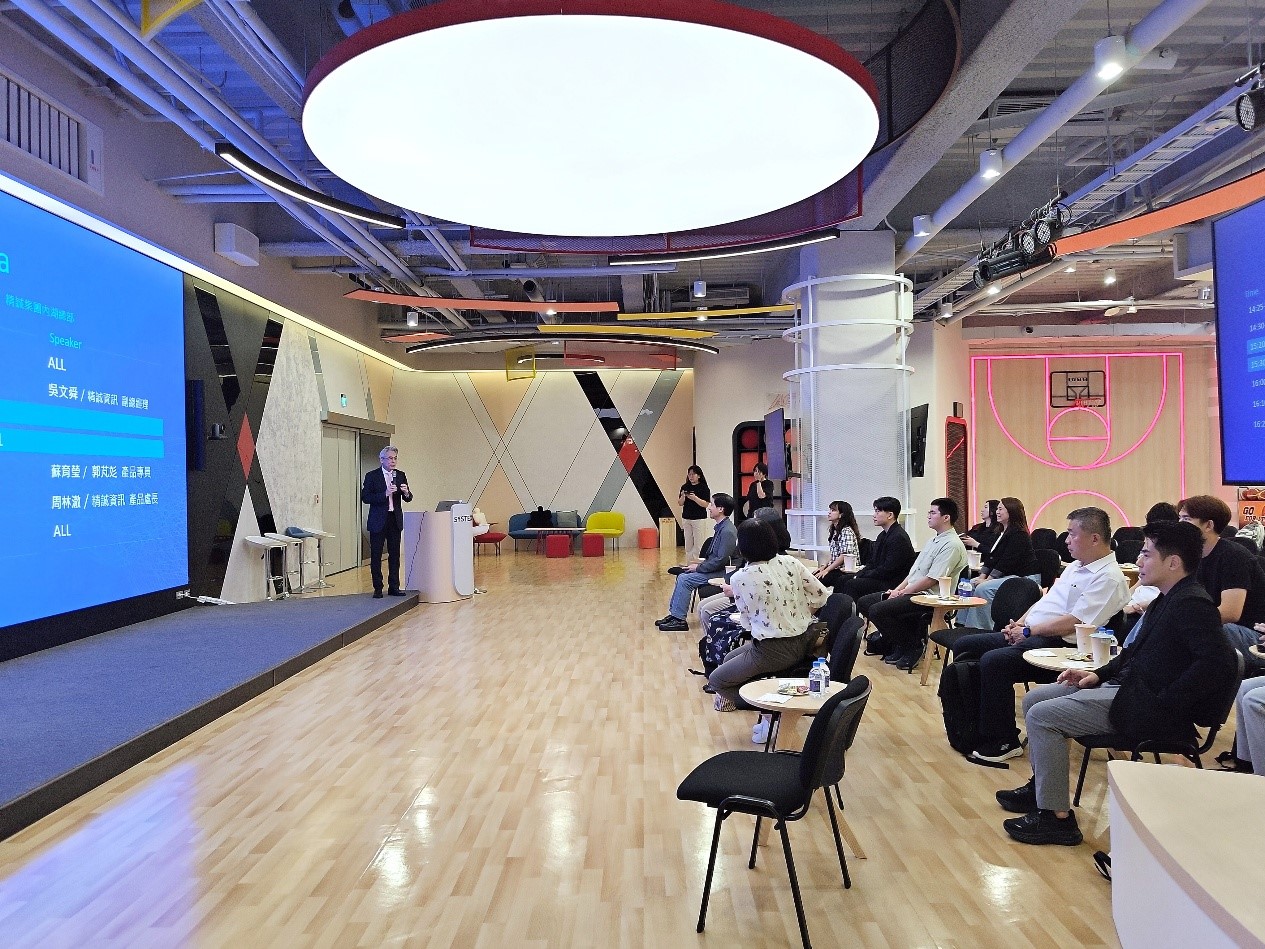
With the growing adoption of AI Agents, IT Operations Management (ITOM) is also entering a new stage of transformation. Mr. Wu emphasized that organizations must strengthen data governance, metadata management, and enterprise knowledge base development to ensure AI systems can effectively understand, retrieve, and utilize corporate information. Establishing a robust, high-quality data foundation will be essential for realizing the full potential of AI-driven automation, intelligent decision-making, and enterprise digital transformation.
The presentation concluded with demonstrations of several AI-powered solutions developed by SYSTEX, including its AI Smart Investment Platform and ESG Sustainability Platform.
The AI Smart Investment Platform integrates investment expertise, professional knowledge, and AI models to provide intelligent investment analysis, decision support, and personalized financial planning. By incorporating licensed expert knowledge into an AI-powered expert system, the platform enables users to access professional investment recommendations more efficiently.
The ESG Sustainability Platform supports corporate sustainability management through ESG data collection, carbon emissions analysis, performance evaluation, and sustainability reporting. It helps organizations respond to evolving ESG disclosure requirements and global net-zero initiatives while enhancing the efficiency of sustainability governance, making it a valuable digital solution for enterprises pursuing both digital and sustainable transformation.
The visit provided the NCCU research team with valuable insights into the latest developments in Generative AI, AI Agents, and intelligent enterprise governance, while demonstrating how AI technologies can be integrated with ESG management in real-world business applications. More importantly, it strengthened knowledge exchange between academia and industry and established a solid foundation for future collaboration.
Looking ahead, NCCU and SYSTEX will continue to deepen their partnership in AI expert systems, corporate sustainability management, intelligent decision support, and talent development. By combining academic research with industry expertise, both sides aim to advance AI innovation and sustainable business practices while supporting Taiwanese enterprises in strengthening intelligent governance and embracing new opportunities in the AI era.